Guide
Is a Heat Pump Worth It?
The short answer: yes, for most US homes. Here's the math for your area.
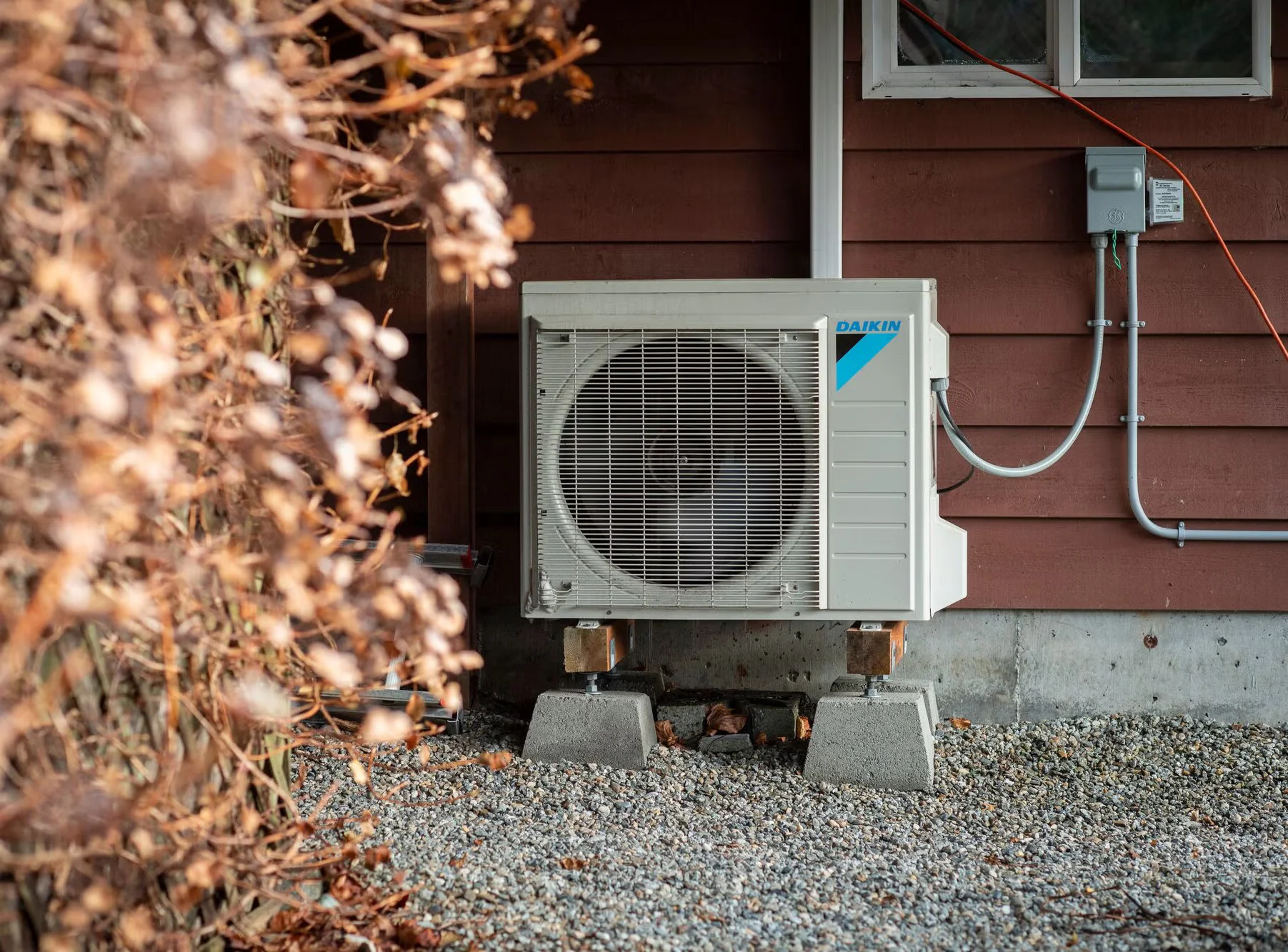
The Quick Answer
Whether a heat pump makes financial sense depends on what you're replacing and where you live.
Yes — it's almost certainly worth it if:
- You currently heat with electric resistance (baseboard, wall heaters, or electric furnace) — a heat pump uses 2-3x less electricity for the same heat
- You heat with oil or propane — fuel costs are high and volatile, heat pumps cut heating bills 30-50%
- Your AC needs replacing anyway — a heat pump replaces both heating and cooling in one unit, so you're paying one install instead of two
Maybe — it depends on the numbers if:
- You have a modern gas furnace (90%+ AFUE) and cheap natural gas — the savings may be modest
- You're in a very cold climate and your home isn't well insulated — you may need a dual-fuel system, which costs more upfront
Probably not — if:
- You're selling your home in less than 3 years — you won't recoup the upfront cost, though it can add resale value
- Your current system is brand new and working fine — wait until it needs replacing
By Climate Zone
Heat pumps work everywhere in the US, but the economics shift depending on where you live.
Zone 1-2 · Hot
Florida, Texas, Arizona, Louisiana…
This is where heat pumps make the most sense. You're already running AC 8+ months a year, and a heat pump is an AC with a reverse valve. Heating loads are light, so even a basic heat pump handles winter easily. You'll save on the few months you'd otherwise run a furnace.
Zone 3 · Warm
Georgia, North Carolina, Tennessee, Oklahoma…
Strong case for a heat pump. Winters are mild enough that a standard heat pump handles them without backup. You get efficient cooling in summer and cheaper heating in winter compared to gas or electric resistance.
Zone 4 · Mixed
Virginia, Missouri, Kentucky, New Jersey…
Still a good choice, especially if you're replacing oil or propane. A cold-climate heat pump (rated to -15°F) will handle most winters without backup. If gas is very cheap in your area, run the numbers carefully — savings may be smaller.
Zone 5-7 · Cold
Minnesota, Maine, Montana, Wisconsin…
Modern cold-climate heat pumps (Mitsubishi Hyper-Heat, Bosch, Daikin Aurora) work down to -13°F to -22°F. A dual-fuel setup (heat pump + gas backup for the coldest days) is popular here. You'll save money most of the year and barely use the furnace.
The Math: Annual Operating Cost
A heat pump runs on electricity. A gas furnace runs on gas. Which costs less depends on your local utility rates.
Example: Average US Home
At the national average electricity rate ($0.16/kWh), gas is slightly cheaper for heating alone. But once you factor in that the heat pump also replaces your AC, the combined heating + cooling cost usually favors the heat pump.
The tipping point is usually around $0.13-0.14/kWh. Below that, heat pumps win on heating cost alone. Above that, they still win when you factor in cooling savings and the federal 30% tax credit (up to $2,000).
For a state-by-state comparison, see our full heat pump vs gas furnace breakdown.
When It's NOT Worth It
We want you to make a good decision, not just buy a heat pump. Here's when keeping gas makes more sense.
Your gas furnace is less than 5 years old
You've already paid the install cost. Unless it's inefficient (below 90% AFUE), ride it out and switch when it dies. A gas furnace lasts 15-20 years.
Gas is extremely cheap in your area
If you're paying under $0.80/therm for gas AND your electricity is above $0.18/kWh, a high-efficiency gas furnace may cost less to operate. This is common in parts of the Mountain West and Gulf states.
Your electrical panel needs a major upgrade
If your home has a 100-amp panel and needs a 200-amp upgrade to support a heat pump, that's an extra $2,000-4,000. It can still be worth it, but it lengthens the payback period.
You're moving within 2-3 years
The payback period for a heat pump is typically 5-10 years. A heat pump can add resale value, but you're unlikely to recoup the full upfront cost if you sell soon.
Frequently Asked Questions
Are heat pumps worth it in cold climates?
Yes, with the right equipment. Cold-climate heat pumps from Mitsubishi, Bosch, and Daikin are rated to operate at -13°F to -22°F. In states like Maine and Minnesota, many homeowners pair a heat pump with a gas furnace backup (dual-fuel) that only kicks in on the coldest days. The heat pump handles 80-90% of heating hours and the furnace covers the extremes.
Do heat pumps work below freezing?
Yes. All modern heat pumps work below freezing. Standard models are rated to about 5°F before losing significant efficiency. Cold-climate models maintain near-full capacity down to -5°F to -15°F and continue operating (at reduced capacity) well below that. They work by extracting heat from outdoor air — even at -10°F, there's still extractable thermal energy.
How long do heat pumps last?
A well-maintained heat pump typically lasts 15-20 years. That's comparable to a gas furnace (15-20 years) but shorter than a boiler (20-30 years). Mini-split systems tend to last longer than ducted systems because they have fewer components. The compressor is usually the first major component to fail.
What's the payback period?
It depends on what you're replacing. Replacing electric resistance heat: 3-5 years. Replacing oil or propane: 4-7 years. Replacing gas: 7-12 years. The federal 25C tax credit (30% of cost, up to $2,000) and state/utility rebates can shorten payback by 2-4 years. If you're also replacing your AC, subtract the cost of a new AC from the heat pump price when calculating payback — since the heat pump does both jobs.