2026 Cost Data
How Much Does a Heat Pump Cost in Wharton?
Normal Range:$9,000 – $15,000
Heat pumps cost $11,400 on average in Texas, based on 74 real homeowner quotes.
Get Your EstimateData from BLS · ENERGY STAR · EIA · 74+ homeowner reports · Updated March 2026
Get Your Personalized Estimate
Uses BLS labor data for your metro area, NREL electricity rates for your ZIP, and ENERGY STAR equipment pricing.
Where is your home?
We'll use your ZIP code to find local prices, rebates, and climate data.
Wharton at a Glance
Average Cost
$11,400
median
74 crowdsourced quotes from Texas
Electricity Rate
13.4¢
near 16¢ avg/kWh
EIA · Wharton County Elec Coop, Inc
Climate Zone
Zone 2
IECC 2021
Rebates
$3,300
1 program
DSIRE · EnergySage
A heat pump in Wharton typically costs $9,000–$15,000 installed, based on 74 real quotes from Texas homeowners. Wharton's electricity runs 13.4¢/kWh (Wharton County Elec Coop, Inc) — near the national average. You're in Climate Zone 2, which means hot summers are the main concern — your system will spend most of its time cooling. There are currently 1 rebate program that could save you up to $3,300.
Cost by Project Type
What Will It Cost?
Cost depends more on what you're installing than your home size. A single ductless unit for one room is very different from a whole-home multi-zone system.
Ductless mini-split (3 zones)
Three rooms — common for smaller homes without ducts
$14,552 – $16,630
median $15,894 · 4 quotes
Central ducted heat pump
Replaces existing furnace — uses your current ductwork
$9,625 – $13,875
median $11,400 · 18 quotes
Based on real homeowner-reported costs in Texas. Your actual cost depends on equipment brand, local labor rates ($28/hr in Wharton), and site conditions.
What Texas Homeowners Actually Paid
Based on 74 crowdsourced quotes from real homeowners. These are what people reported paying — not contractor estimates.
Budget (25th)
$9,000
Median
$11,400
Premium (75th)
$15,000
Lowest
$1,200
Highest
$30,000
In Their Own Words
"17K quote reduced to 15K with rebate and cash discount"
$15,000
"3.5 Ton unit replacement quote in Houston; full system replacement (Furnace, Coil, Condenser)."
$12,500
"Carrier variable speed"
$30,000
Source: crowdsourced homeowner reports, collected and verified by WattFax.
Cost by System Type
There are a few different kinds of heat pump systems. The right one depends on whether your home has ductwork (the air vents in your walls and ceiling that blow hot/cold air).
Ducted
$11,916
median · 18 quotes
Connects to the air vents (ducts) already in your walls and ceiling. Best if you have existing ductwork from a furnace or AC system.
Ductless Mini-Split
$11,917
median · 9 quotes *
Wall-mounted units in individual rooms, no ductwork needed. Each room gets its own temperature control. Great for older homes or additions.
Dual-Fuel Hybrid
$18,000
median · 1 quote *
A heat pump paired with a gas furnace as backup. The gas kicks in on the coldest days. Best in very cold climates where temps regularly drop below 10°F.
* Small sample size — may not reflect typical pricing.
Source: 74 homeowner reports from Texas.
Most Installed Brands in Texas
Based on what homeowners in Texas actually bought — not manufacturer recommendations.
Trane
$15,010
10 installs
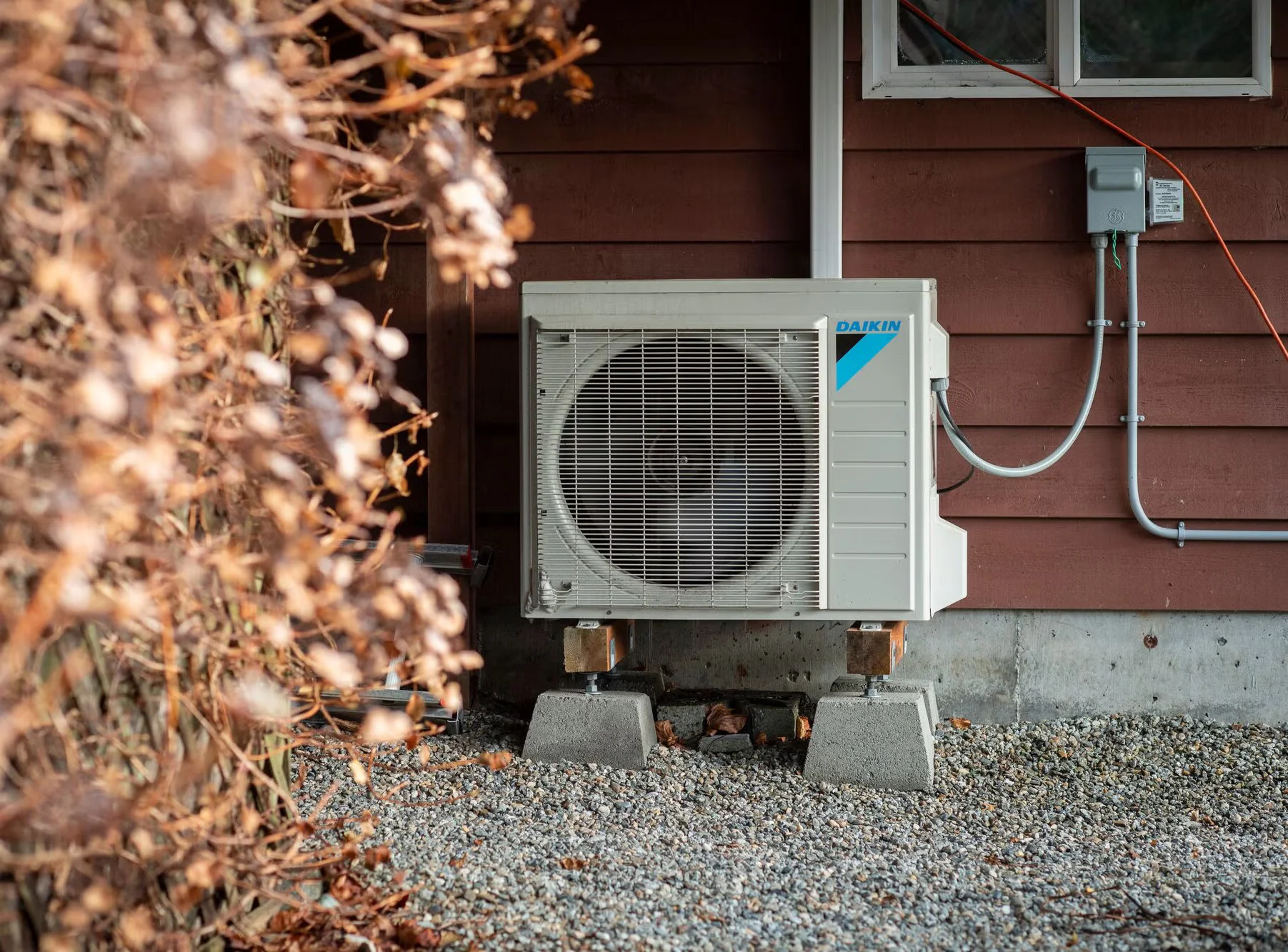
Daikin
$11,800
7 installs
Lennox
$12,000
6 installs
Rheem
$12,160
5 installs
Carrier
$15,858
5 installs
Mitsubishi
$15,288
4 installs
Goodman
$8,267
3 installs
Source: 74+ homeowner installation reports from Texas.
What Drives the Price in Wharton
$28/hr
Local HVAC Labor Rate
Labor is the biggest variable between cities. The Bureau of Labor Statistics reports that HVAC installers in the Wharton area earn a median of $28/hr. After business overhead (insurance, trucks, office), contractors typically charge around $98/hr. A typical install takes a 2-person crew 8–12 hours, putting Wharton labor at $1,176–$1,960. That's near the national median of $28/hr.
Source: BLS Occupational Employment Statistics, SOC 49-9021
Zone 2
Your Climate Zone
Wharton is in IECC Climate Zone 2. Zone 2 has long, hot summers and short, mild winters. Standard heat pumps maintain full capacity well above local winter lows. This affects what size and type of system you need: since summers are the main concern, cooling capacity drives the sizing.
A Wharton home under 1,500 sq ft typically needs a 2-ton system ($4,980–$9,068), while homes over 3,500 sq ft need 5 tons ($8,568–$14,852).
Source: IECC 2021 Climate Zone Map
13.4¢/kWh
Your Electricity Rate
This is what you pay per kilowatt-hour of electricity through Wharton County Elec Coop, Inc. It matters because a heat pump runs on electricity — so your electric rate directly affects how much it costs to heat and cool your home. Your rate is near average, so a mid-efficiency system (16–18 SEER2) usually offers the best balance of upfront cost and energy savings.
What's SEER2? It stands for Seasonal Energy Efficiency Ratio — think of it like MPG for your car. A 20 SEER2 system uses about 25% less electricity than a 15 SEER2 system. At Wharton's rate, that's roughly $228/year saved on heating alone.
Source: EIA Electric Power Monthly · Wharton County Elec Coop, Inc
Will a Heat Pump Save You Money?
If you currently heat with a gas furnace and cool with a separate AC unit, here's how a heat pump compares — it replaces both in a single system. Based on Wharton's electricity rate of 13.4¢/kWh.
Current: Gas Furnace + AC
With Heat Pump (Heating + Cooling)
Switching could save you roughly $536/year on heating and cooling bills.
Assumes 1,500–2,500 sqft home. Gas furnace at 95% AFUE, existing AC at SEER 10, heat pump COP 3.8. Rates from EIA.
Rebates You Can Use in Wharton
Rebates reduce your upfront cost — some are taken off the price at purchase, others come as tax credits or utility bill credits. There are currently 1 program available worth up to $3,300.
Federal 25C Tax Credit
Expired December 31, 2025. May be renewed — check IRS.gov.
Oncor Heat Pump Discount (participating service provider)
utility (Oncor)
Source: DSIRE · EnergySage · Rewiring America
Frequently Asked Questions
How much does a heat pump cost in Wharton?
Based on 74 real homeowner quotes, the median installed cost in Texas is $11,400. Budget installs (25th percentile) come in around $9,000, while premium systems hit $15,000+. The price depends on your home size, system type, and whether you need new ductwork.
What rebates are available in Wharton?
The federal 25C tax credit (up to $2,000) expired December 2025. Texas currently has 1 active program worth up to $3,300. These include utility rebates, state incentives, and income-qualified programs.
Do heat pumps work in Wharton's climate?
Yes. Wharton is in Climate Zone 2. Zone 2 has long, hot summers and short, mild winters. Our recommendation: 16–20 SEER2. Two-stage or variable-speed for dehumidification.
What's the difference between ducted and ductless?
A ducted heat pump connects to the air vents already in your walls and ceiling — if you have a furnace now, you probably have ducts. It heats and cools the whole house through those vents. A ductless mini-split uses small wall-mounted units in individual rooms, connected by a thin pipe to an outdoor unit. It's ideal if you don't have existing ductwork, or want to control temperatures room-by-room. In Texas: Ducted median $11,916 vs Ductless Mini-Split median $11,917.
What does electricity cost in Wharton?
13.4¢/kWh (Wharton County Elec Coop, Inc). That's near the national average of about 16¢. This rate directly affects your monthly operating cost since heat pumps run on electricity.
What brand should I get?
Based on what Texas homeowners actually installed, the most popular brands are Trane (10 installs, median $15,010), Daikin (7 installs, median $11,800), Lennox (6 installs, median $12,000). Brand choice matters less than proper sizing and installation quality — a well-installed mid-tier system will outperform a poorly installed premium one.
Labor: BLS (SOC 49-9021) · Equipment: ENERGY STAR · Electricity: EIA / NREL · Rebates: Rewiring America · Climate: IECC 2021 · Quotes: 74+ homeowner reports · Updated March 2026